In recent decades, this landscape has shifted dramatically. The country is now grappling with a dual burden—where non-communicable diseases (NCDs) have emerged and continue to rise, while infectious diseases remain a persistent challenge.
What Are NCDs?
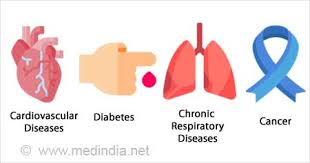
Non-communicable diseases are medical conditions that are not transmitted from person to person. They are typically chronic in nature and progress slowly. Common NCDs include:
- Diabetes
- Hypertension
- Cardiovascular diseases (e.g., stroke, heart disease)
- Chronic respiratory diseases (e.g., asthma, COPD)
- Cancer
- Mental health conditions (e.g., depression, anxiety)
- Musculoskeletal disorders (e.g., arthritis, low back pain)
These conditions are heavily influenced by lifestyle, environmental, and genetic factors.
The Kenyan Context: How Culture and Lifestyle Fuel NCDs
Urbanization, changing diets, sedentary lifestyles, increased tobacco and alcohol use, and reduced physical activity have contributed to the surge in NCDs across Kenya. In many urban and peri-urban communities, traditional diets rich in vegetables and whole foods have been replaced by fast foods high in sugar, salt, and unhealthy fats. Additionally, modern work schedules have left many with limited time for physical activity.
Social expectations also play a role—being “healthy” is sometimes equated with being heavier or “looking well-fed.” Combined with limited access to preventive healthcare and wellness education, this creates a perfect storm for the rise of NCDs.
The Role of Physiotherapy in NCD Prevention and Management
As we mark World Physiotherapy Day this September, with the theme focusing on non-communicable diseases, it’s time to recognize physiotherapy as a vital pillar in healthcare—especially in primary health care settings.
Physiotherapists are uniquely positioned to prevent, manage, and improve outcomes for individuals living with NCDs.
Here’s how:
1. Health Promotion and Community Education
Physiotherapists can lead community-based health campaigns that educate the public on the importance of staying active, maintaining a balanced diet, and managing stress. In both rural and urban areas, physiotherapists can empower individuals through education delivered in forums such as churches, markets, women’s groups, or schools.
If you know a physiotherapist, ask them to educate your community or better yet invite one to your socials: book clubs, chamas , bible study etc.
2. Exercise Prescription for Prevention
Physical inactivity is one of the leading risk factors for developing NCDs. Physiotherapists can design personalized exercise programs based on an individual’s age, fitness level, and risk profile. For example, aerobic training, strength-building, and flexibility routines can prevent or delay type 2 diabetes, hypertension, and obesity.
3. Wellness and Lifestyle Modification
Beyond treating disease, physiotherapists promote sustainable wellness. This may include postural advice for desk workers, promoting active commuting (walking or cycling), stress management strategies, or education on proper sleep and rest. These interventions are especially relevant for Kenyans transitioning to urban, sedentary living.
4. Rehabilitation and Functional Optimization
Physiotherapy plays a crucial role in post-diagnosis care. After a stroke, physiotherapists help restore balance, strength, and walking ability. In cases of arthritis, cancer recovery, or chronic lung disease, physiotherapists work to optimize daily function, manage pain, and improve quality of life.
5. Multidisciplinary Collaboration
Managing NCDs effectively requires teamwork. Physiotherapists collaborate with nutritionists, doctors, nurses, psychologists, and community health workers to ensure holistic care. In managing diabetes, for example, a physiotherapist’s exercise plan can work hand in hand with dietary and medical interventions to regulate blood sugar and reduce complications.
Looking Ahead: A Series on Physiotherapy in NCDs
As awareness grows around NCDs, we recognize the need to go deeper. That’s why I am launching a series of blog posts and podcasts that will explore the role of physiotherapy in specific non-communicable diseases. Each episode or article will focus on one condition at a time—highlighting:
- How the condition develops
- The challenges it presents in Kenya
- How physiotherapy can help prevent or manage the condition
- Real-life examples from clinical practice
- Tips, resources, and wellness guidance for patients and caregivers
Upcoming Topics Will Include:
- Physiotherapy and Diabetes: improving insulin sensitivity, managing neuropathy
- Physiotherapy and Hypertension: safe aerobic training, stress management
- Physiotherapy and Stroke: regaining independence and mobility
- Physiotherapy and Cancer Survivorship: fatigue, lymphoedema, and rehabilitation
- Physiotherapy and Chronic Respiratory Conditions: breathing techniques, energy conservation
- Physiotherapy and Mental Health: the role of movement in managing anxiety and depression
- Physiotherapy and Osteoarthritis and Low Back Pain: pain relief through movement and strengthening
A Call to Action
As we prepare to celebrate World Physiotherapy Day, let us advocate for stronger integration of physiotherapy in Kenya’s primary healthcare system. Let’s empower communities to understand that physiotherapy is not just for recovery—it is also for prevention, wellness, and lifelong health.
Stay tuned for the upcoming series, and let’s keep the conversation going—on the blog, on the podcast, and in our communities.
Let’s move for health. Let’s move for life.
Leave a Comment
Your email address will not be published. Required fields marked *