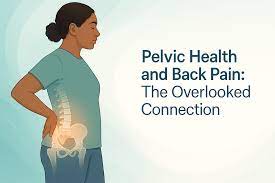
Unfortunately, we tend to miss this in the clinic or during the initial assessment. unrelenting pain that does not go away after treatment or keeps re-occurring may also be coming from the pelvic region.
This article explores how pelvic floor dysfunction can mimic or cause back pain, and how physiotherapy can help you find lasting relief.
What Is the Pelvic Floor?
The pelvic floor is a group of muscles, ligaments, and tissues at the base of your pelvis. Think of it as a supportive hammock that holds up your:
- Bladder
- Bowel
- Uterus (in women)
- Prostate (in men)
These muscles also play a role in:
- Sexual function
- Urination and bowel movements
- Core support and posture
- Lower back stability
When the pelvic floor muscles don’t work well — whether too tight, too weak, or uncoordinated — we call it pelvic floor dysfunction.
How Pelvic Floor Dysfunction Causes Back Pain
The pelvis is like the body’s command center. It connects your spine, hips, and core. If the pelvic floor isn’t functioning properly, your body starts to compensate, leading to lower back pain.
Common Causes:
- Muscle imbalance: Weak or tight pelvic floor muscles cause overuse of back muscles.
- Poor core stability: The pelvic floor is a key part of your core. If it’s not functioning, the rest of your core struggles too.
- Referred pain: Pelvic floor tension can cause pain that feels like it’s coming from your back.
Real-Life Examples
Jane, the New Mom
After childbirth, Jane developed persistent lower back pain. Traditional exercises didn’t help. A pelvic health physiotherapist discovered her pelvic floor was weak and poorly coordinated. With rehab, her back pain improved.
Kevin, the Office Worker
Kevin’s back pain wouldn’t go away, even with stretching and massage. A physiotherapist found he had an overactive pelvic floor from sitting all day and stress. Once he learned to relax and retrain his pelvic floor, his back pain started to fade.
How a Physiotherapist Can Help
A pelvic health physiotherapist uses a holistic approach. They look at how your entire body is functioning — not just your back.
Step 1: Full History
- When did the pain start?
- Any urinary or bowel changes?
- Any childbirth, surgeries, or trauma?
- What makes the pain worse or better?
Step 2: Physical Assessment
- Core strength and breathing
- Posture and movement patterns
- Hip and back mobility
- Pelvic floor muscle coordination
This may include an internal or external pelvic floor exam (only with your consent).
Step 3: Tailored Treatment Plan
Depending on your needs, treatment may include:
- Pelvic floor strengthening or relaxation exercises
- Core retraining (not just sit-ups!)
- Breathing and posture education
- Manual therapy (gentle hands-on techniques)
- Movement strategies for daily life
Why Education Is Powerful
Many people don’t realize their pelvic floor could be causing their back pain — or that pelvic health issues affect both women and men.
A physiotherapist helps you:
- Understand what’s happening in your body
- Learn how to move better and manage symptoms
- Reduce fear, shame, or stigma around pelvic health
- Stay consistent with your rehab program
Let’s Talk About It
Pelvic floor dysfunction is often misunderstood and underdiagnosed. By raising awareness, we can:
- Reduce unnecessary suffering
- Support faster recovery
- Empower more people to seek the right help
Final Thoughts
Not all back pain comes from the back.
Sometimes the root cause lies deeper — in your pelvic floor. With the right guidance and support, recovery is possible.
If you’re experiencing stubborn lower back pain, bladder issues, or changes after childbirth or surgery, consider visiting a pelvic health physiotherapist.
Need Help?
If you’re in Kenya or want trusted resources, visit kirigo.co.ke for more on pelvic health, physiotherapy, and recovery tips.
Leave a Comment
Your email address will not be published. Required fields marked *